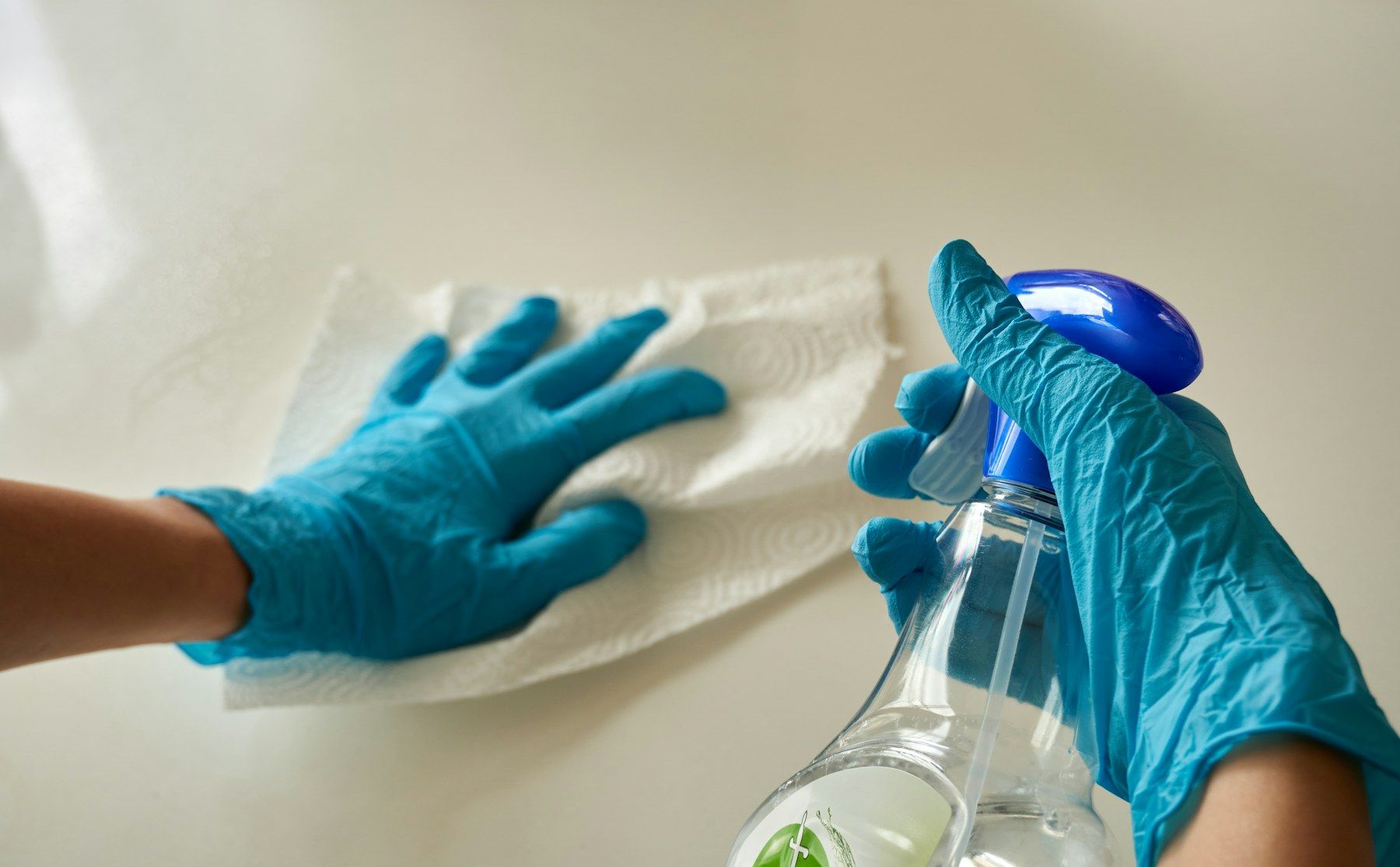
Eco-friendly cleaning at home in the UAE
Fewer harsh chemicals, less water and less plastic. What actually works, what doesn't, and the surfaces where "natural" can do damage.
More households in the UAE are trying to clean with fewer harsh chemicals, less single-use plastic and less water. It’s a good goal, and in many cases simpler products work just as well. But “natural” doesn’t always mean safe for every surface, and some popular tips do more harm than good. Here’s a practical guide.
Start with less, not with something new
The most eco-friendly product is the one you don’t buy. Before replacing your cleaning cupboard:
- Use what you have. Finish existing products rather than throwing them away.
- Measure. Most people use two to three times more product than the label recommends. More product doesn’t mean cleaner; it means more rinsing.
- Choose concentrates and refills when you do buy. They save plastic and transport.
- One good multi-surface cleaner covers most daily jobs. You don’t need a separate bottle for every room.
Microfibre does a lot of the work
Good-quality microfibre cloths pick up dust, grease and bacteria with just water for many everyday tasks. They save product and paper towels, and last for hundreds of washes.
- Use separate colours for kitchen, bathroom and general surfaces so you don’t spread germs.
- Wash them without fabric softener, which clogs the fibres.
- A damp microfibre cloth followed by a dry one leaves glass and stainless steel streak-free without glass cleaner.
Simple ingredients that work
Baking soda (bicarbonate of soda) is mildly abrasive and alkaline. Mixed into a paste with water it lifts baked-on grease in ovens, cleans stained sinks and freshens bins. Sprinkled on a rug and vacuumed up after 30 minutes, it helps neutralise smells.
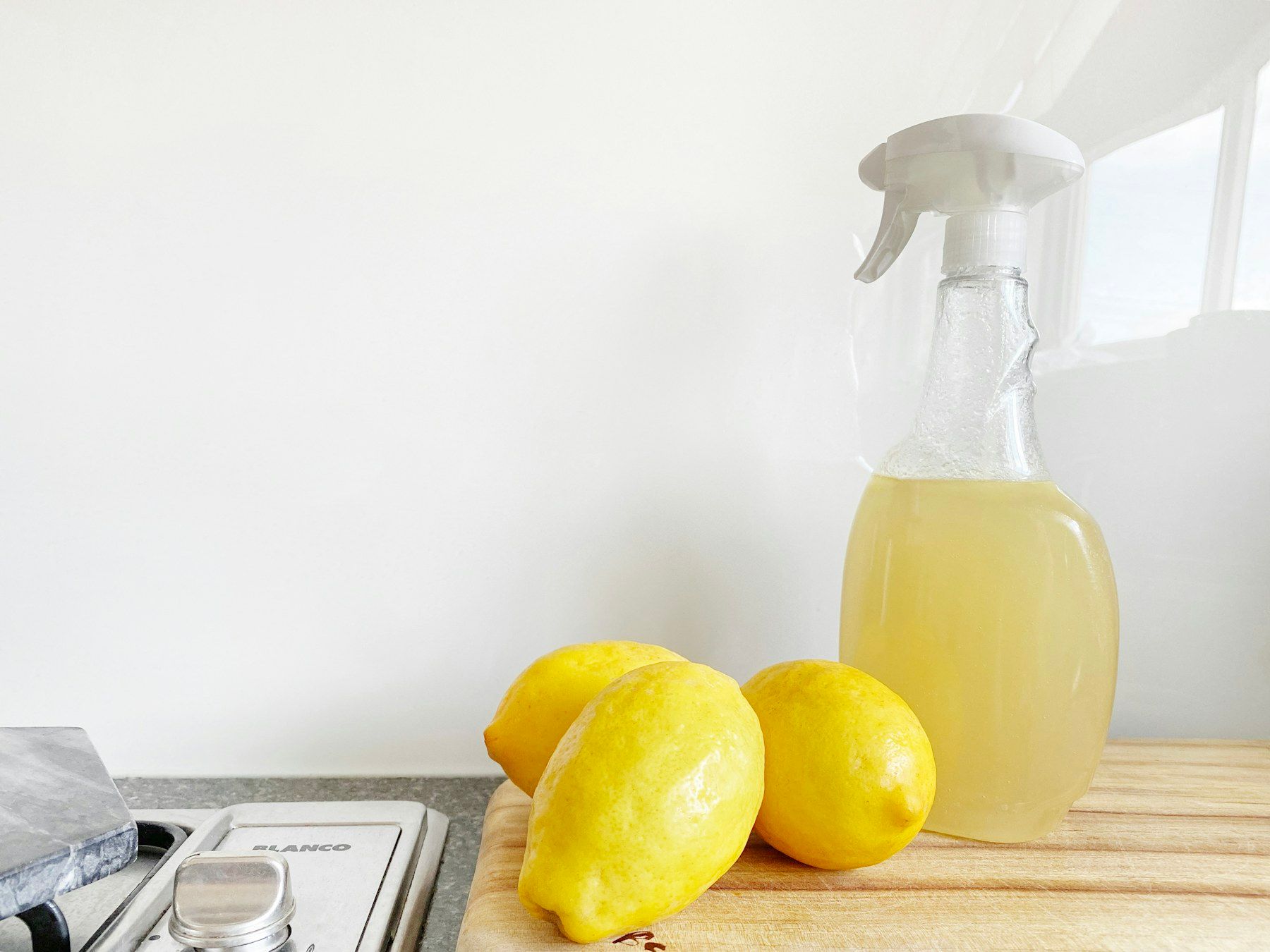
White vinegar is acidic, which makes it useful against limescale, a constant problem with UAE water. Diluted half and half with water it descales taps, shower heads and glass screens. Leave it for a few minutes, then rinse.
Lemon works similarly to vinegar on light limescale, and half a lemon rubbed on a chopping board helps with smells.
Dish soap in warm water is one of the most effective degreasers for kitchen surfaces, cabinets and hoods.
Hot water and steam clean and sanitise many surfaces without any product: grout, hobs, mattresses and floors.
Where to be careful
Some natural cleaners can damage common UAE surfaces:
- Never use vinegar or lemon on marble, travertine or limestone. Acids etch natural stone, leaving dull patches that need professional polishing. Many villas and apartments here have marble floors, vanity tops and worktops. Use a pH-neutral cleaner instead.
- Avoid vinegar on granite too, as it can weaken the sealant over time.
- Don’t mix vinegar and baking soda to clean. They neutralise each other, which looks impressive but leaves you with mostly salty water.
- Never mix vinegar with bleach. It releases toxic chlorine gas.
- Be careful with baking soda on glossy cabinets and stainless steel. It can leave fine scratches; use a soft cloth and little pressure.
- Essential oils are not disinfectants, and some (such as tea tree and eucalyptus) can be harmful to cats and dogs.
Save water
Water in the UAE comes mostly from desalination, which uses a lot of energy. A few habits save a lot:
- Two-bucket mopping: one bucket for the cleaning solution, one for rinsing the mop. You use less water and the floor gets cleaner.
- Spray bottles instead of running taps for wiping surfaces.
- Clean balconies with a broom and a bucket, not a hose.
- Fix dripping taps and running toilets quickly.
- Steam cleaning uses a fraction of the water of traditional washing for grout, mattresses and upholstery.
Air quality matters too
Many conventional sprays leave fragrance and solvents in the air, which matters when homes are closed up with the AC running most of the year. Choose fragrance-free products where you can, ventilate after cleaning, and remember that a clean home shouldn’t smell strongly of anything.
When disinfecting is worth it
Everyday surfaces don’t need disinfecting every day; cleaning with soap and water removes most germs. Disinfect when it matters: toilets, raw-meat chopping boards, and touch points like door handles and switches when someone in the home is ill. Follow the contact time on the label, because most disinfectants need a few minutes wet on the surface to work.
How we do it
On every regular or deep clean, our teams use colour-coded microfibre, measured household-grade products, pH-neutral cleaners on stone, and steam where it does the job better than chemicals. If you prefer fragrance-free or pet-safe products, or want us to use your own eco products, just add it to your booking notes. There’s no extra charge.
Small changes add up. You don’t need a cupboard full of new “green” products, just fewer, better ones used the right way.