Sofa and carpet care in UAE humidity
Hot outside, cold inside, and humid on the coast. Here's what that does to fabric sofas and rugs, and the simple habits that keep them fresh.
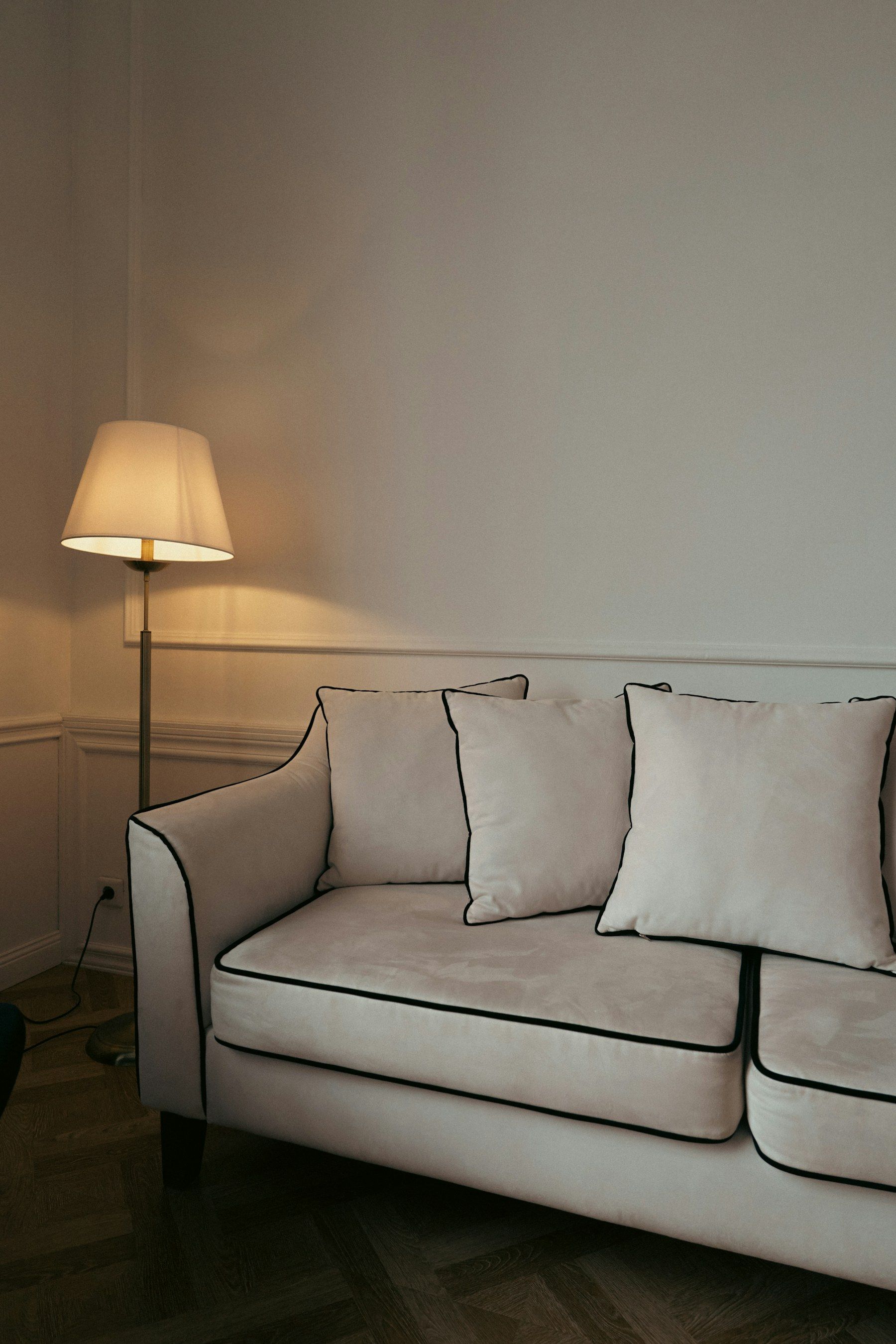
UAE homes are hard on soft furnishings. Outside, coastal humidity in summer often climbs above 80%. Inside, the AC runs day and night, cooling the air and pulling moisture out of it. Every time a balcony door opens, warm humid air meets cold fabric. Add fine sand, cooking smells and a lot of time spent indoors in summer, and fabric sofas and rugs work harder here than almost anywhere.
Here’s what that does to your upholstery and carpets, and how to keep them fresh.
What humidity does to fabric
Musty smells. Natural fibres such as cotton, linen and wool absorb moisture from humid air. If the room isn’t ventilated, that moisture stays in cushions and rug backings, and the result is the stale smell many people notice in late summer.
Mould and mildew. Mould needs moisture and still air. It is most common on rugs laid on cool marble or tile, on sofas pushed against an outside wall, and on mattresses on solid bases. The first signs are a musty smell and small grey or black spots, often on the underside.
Dust that sticks. Slightly damp fibres hold on to fine sand and dust, which then works deeper into the fabric every time someone sits down. Light fabrics turn grey faster than you’d expect.
Water marks. Spills dry slower in humid air and can leave rings, especially on light upholstery.
Habits that help
Keep air moving
- Leave a small gap (5–10 cm) between sofas and walls, especially outside walls.
- Run the AC on a steady setting rather than switching it off completely when you go out for the day. Big temperature swings cause condensation.
- In the cooler months, open windows in the morning to air the home out.
- A small dehumidifier in a closed room, such as a guest bedroom, makes a big difference to smells.
Vacuum more than you think
- Vacuum sofas weekly: seats, backs, arms, and under and between cushions.
- Vacuum rugs slowly in both directions, at least weekly in high-traffic areas, with a powered brush head if possible.
- Flip and rotate sofa cushions and rugs every few weeks so they wear and dry evenly.
Lift rugs off cold floors
Rugs on marble or porcelain tiles can trap moisture underneath where cold floor meets warmer room air. A breathable rug pad helps. Once a month, lift the corners to check for dampness or smells.
Deal with spills fast
- Blot, don’t rub. Rubbing pushes the liquid deeper and spreads the stain.
- Use cold water first. Hot water can set protein stains like milk or blood.
- Dry the area quickly: blot with a dry towel, then point a fan at it.
- Test any cleaning product on a hidden area first. Many sofa fabrics carry a cleaning code on the label (W for water-based, S for solvent, WS for either, X for vacuum only).
Protect from the sun
Strong UAE sun fades fabric quickly, especially near large windows. Use blinds or sheer curtains during the hottest hours, and rotate cushions so fading is even.
How often to deep clean
| Item | Light use | Kids, pets or heavy use |
|---|---|---|
| Fabric sofa | Every 12 months | Every 6 months |
| Rugs in living areas | Every 12 months | Every 6 months |
| Fitted carpet | Every 12–18 months | Every 6–12 months |
| Mattress | Every 12 months | Every 6 months |
The end of summer, after the most humid months, is a good time for a deep clean. So is the start of the cooler season, before you spend more time in the living room with guests.
What a professional clean does differently
Household vacuums remove surface dust, but the grit and moisture deep in the fibres need a different approach. Hot-water extraction injects warm water and a mild cleaner into the fabric and pulls it straight back out, taking embedded dirt with it. Done properly, it uses little enough water that sofas dry in 4–6 hours and rugs within the day, which matters in a humid climate.
Our sofa cleaning and carpet and rug cleaning both start with a fabric check and a hidden test patch, then a thorough dry vacuum to remove sand before any water touches the fabric. You can combine sofas, rugs and mattresses in a single visit.
Signs it’s time
- A musty smell that comes back soon after airing the room.
- Light fabric that has turned grey, especially on arms and headrests.
- Traffic lanes visible on a rug.
- Allergy symptoms that get worse in the living room or bedroom.
If you see spots of mould, don’t just clean the surface. Find out why the item is staying damp, fix the airflow, and then clean it properly.